Regulatory
Research Peptide Regulations: RUO, FDA and WADA
A factual overview of research peptide regulation: research use only, approved drugs vs research chemicals, 503A/503B compounding and WADA classes.
October 30, 2026 · 6 min read · Purity Peptides research team

Peptides sit at the intersection of several regulatory systems. The same molecule can be an approved prescription medicine, a compounded preparation, a laboratory reagent and a prohibited substance in sport, depending on who makes it, how it is labelled and how it is used. This article sets out the main frameworks, focusing on the United States. It is general information, not legal advice; anyone with a specific question should consult a qualified lawyer or the relevant regulator.
Intended use is the organising idea
Under the US Federal Food, Drug, and Cosmetic Act (FD&C Act), a "drug" is defined largely by intended use: an article intended for the diagnosis, cure, mitigation, treatment or prevention of disease, or intended to affect the structure or function of the body (21 U.S.C. §321(g)(1)). FDA regulations (21 CFR 201.128) explain that intended use is judged objectively, from labelling, advertising, statements by the seller and the circumstances of sale, not only from the words on the vial.
This is why the same compound can fall into different categories. A peptide made, labelled and sold as a laboratory reagent for in vitro or animal research is treated differently from the same peptide promoted for human consumption.
What "research use only" means
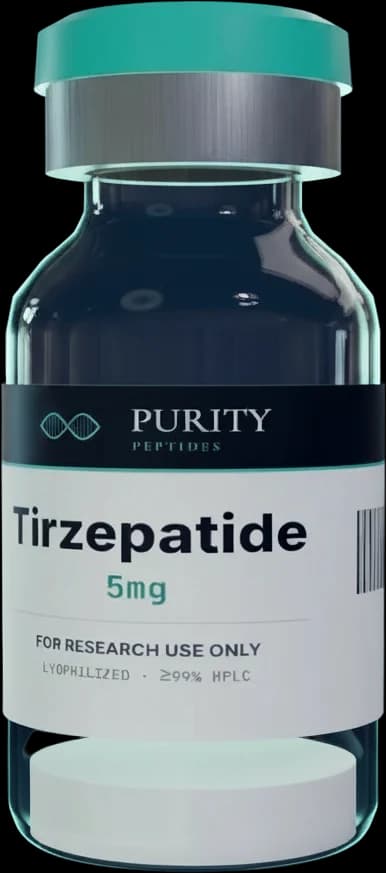
"For Research Use Only" (RUO) has a specific origin in US regulation of in vitro diagnostic products: 21 CFR 809.10(c) requires RUO labelling for products in the research phase of development that are not intended for clinical diagnostic use, and FDA's 2013 guidance describes how that label should and should not be used. The phrase is now used more broadly across the life-science supply chain for reagents, antibodies and synthetic peptides intended for laboratory investigation.
In practical terms, an RUO label means:
- The material is supplied for laboratory research by qualified investigators.
- It has not been reviewed or approved by FDA for any medical use.
- It is not manufactured under the drug current Good Manufacturing Practice (cGMP) regulations that apply to finished pharmaceuticals.
- It is not intended for human or veterinary use, diagnosis or consumption.
The label alone does not determine legal status. FDA has stated that it considers the totality of the circumstances, and it has issued warning letters to firms whose products carried "research use only" disclaimers but were, in the agency's view, marketed for human use through claims, imagery or sales practices. For more on the label itself, see what research use only means.
Approved drugs vs research chemicals
| Category | Who reviews it | Manufacturing standard | Labelled for | Examples |
|---|---|---|---|---|
| FDA-approved drug | FDA, via NDA, ANDA or BLA | Drug cGMP (21 CFR 210/211) | Specific approved indications | Semaglutide, tirzepatide, octreotide, leuprorelin |
| Investigational drug | FDA, via an IND | Phase-appropriate cGMP | Use in a registered clinical trial | Peptides in clinical development (status changes over time) |
| Compounded preparation | State boards of pharmacy; FDA for 503B | Pharmacy standards (503A) or cGMP (503B) | Patient-specific or office stock under specific conditions | Varies; see below |
| Research chemical / RUO reagent | Not reviewed for medical use | Supplier's own quality system | Laboratory research only | Many peptides, including BPC-157 and TB-500 |
Selling an article intended as a drug without approval can make it an "unapproved new drug" under section 505(a) of the FD&C Act, and misbranding and adulteration provisions may also apply. Approved status attaches to a specific product from a specific manufacturer, not to a molecule in general: the existence of an approved semaglutide medicine does not make other semaglutide material an approved drug.
The compounding context: 503A and 503B
Compounding is the preparation of a medication by a pharmacist or physician to meet a specific need. The Drug Quality and Security Act of 2013 strengthened the two federal pathways that exempt qualifying compounded drugs from new-drug approval requirements.
Section 503A: traditional pharmacies
Section 503A (21 U.S.C. §353a) covers licensed pharmacists and physicians compounding for an identified individual patient on the basis of a valid prescription. Key conditions include:
- Bulk drug substances must comply with a USP or NF monograph, be a component of an FDA-approved drug, or appear on FDA's 503A bulks list.
- Pharmacies may not compound drugs that are essentially copies of commercially available approved drugs on a regular basis.
- Oversight is primarily by state boards of pharmacy.
While the 503A bulks list is being developed, FDA maintains interim categories of nominated substances. In 2023 FDA placed several peptides commonly sold as research chemicals, including BPC-157, in Category 2, which the agency describes as substances raising significant safety risks. Category placements can change, so the current FDA listing is the authoritative source.
Section 503B: outsourcing facilities
Section 503B (21 U.S.C. §353b) created "outsourcing facilities": compounders that register with FDA, comply with cGMP, report the products they make and are inspected on a risk basis. They may compound without patient-specific prescriptions, but generally only from bulk substances on the 503B bulks list or for drugs appearing on FDA's drug shortage list.
Shortages and GLP-1 compounding
The drug shortage provisions became widely known during 2022–2025, when semaglutide and tirzepatide appeared on FDA's shortage list and compounders prepared versions under the shortage exemptions. FDA later determined that both shortages had been resolved (tirzepatide in late 2024 and semaglutide in early 2025) and announced transition periods after which the shortage-based exemptions no longer applied.
Anti-doping: the WADA Prohibited List
Separate from drug regulation, the World Anti-Doping Agency (WADA) publishes a Prohibited List each year that applies to athletes in sports bound by the World Anti-Doping Code. Many peptides fall within it. The relevant classes and examples drawn from recent editions are:
| WADA class | Scope | Examples named or covered |
|---|---|---|
| S0 Non-approved substances | Any pharmacological substance not approved for human therapeutic use by any government health authority | BPC-157 is named as an example |
| S2.1 Erythropoietic agents | Agents affecting red blood cell production | EPO and its analogues, luspatercept, sotatercept |
| S2.2 Peptide hormones and releasing factors | Including CG/LH and their releasing factors in males; GH and its analogues and fragments; GHRH and analogues; growth hormone secretagogues and GHRPs | Gonadorelin, leuprorelin, kisspeptin; AOD-9604; CJC-1295, sermorelin, tesamorelin; ipamorelin, anamorelin, GHRP-2, GHRP-6, hexarelin |
| S2.3 Growth factors and modulators | Growth factors affecting muscle, tendon, ligament and other tissue | IGF-1 and analogues (such as IGF-1 LR3), mechano growth factors, thymosin-β4 and derivatives such as TB-500 |
Prohibition under the Code is based on the list's criteria and applies regardless of how a substance is labelled or sold. WADA updates the list annually, typically effective 1 January, and the current edition and its explanatory notes are the definitive reference.
Other jurisdictions
Rules differ internationally. Regulators such as the EMA, MHRA and TGA apply their own definitions of medicinal products, and some countries schedule specific peptides under poisons or controlled-substance laws.
References
- Federal Food, Drug, and Cosmetic Act, 21 U.S.C. §321(g)(1); §355(a); §353a (Section 503A); §353b (Section 503B).
- Code of Federal Regulations. 21 CFR 201.128, Meaning of "intended uses"; 21 CFR 809.10(c), Labeling for in vitro diagnostic products.
- Drug Quality and Security Act, Pub. L. No. 113-54, 127 Stat. 587 (2013).
- US Food and Drug Administration. Distribution of In Vitro Diagnostic Products Labeled for Research Use Only or Investigational Use Only. Guidance for Industry and FDA Staff. 2013.
- US Food and Drug Administration. Bulk Drug Substances Used in Compounding Under Section 503A of the FD&C Act (interim categories). FDA website.
- World Anti-Doping Agency. World Anti-Doping Code International Standard: Prohibited List (current edition) and Summary of Major Modifications and Explanatory Notes.
FOR RESEARCH USE ONLY.Not for human or veterinary use. Not intended to diagnose, treat, cure, or prevent any disease.